There’s something compelling about artists revisiting unfinished work decades later—not simply to preserve it, but to reshape it through the lens of experience. With The Vault 2, composer, guitarist, producer, and multi-instrumentalist Stephen H. Cumberbatch, better known as C’batch, does exactly that. The result is an emotionally layered, stylistically adventurous collection that feels less like an archival release and more like a rediscovery of creative identity. Released through Stevette Music, Inc., The Vault 2 follows the introspective textures of Smooth / Rough – The Vault 1 while widening the sonic palette considerably. Where its predecessor leaned into cinematic minimalism and ambient jazz influences, The Vault 2 embraces movement, melody, and vocal expression—blending Soul, R&B, Pop, Rock, and Reggae into a project that refuses to sit comfortably inside one genre. That unpredictability becomes one of the album’s greatest strengths. From the opening moments, C’batch presents himself not merely as a producer revisiting old tapes, but as an artist reconnecting with moments that still carry emotional weight. Tracks like “Giving You All My Love” radiate warmth and sincerity through smooth melodic phrasing and understated production, while “The Word Is Out (Will I Get Over You?)” balances emotional vulnerability with accessible pop sensibility. Elsewhere, “Will This Be the Last Time?” dives into uncertainty and emotional closure, revealing the reflective core that anchors much of the project. The album also thrives on contrast. Songs such as “Round & Round” and “Phunk Fusion (With a P.H.D.)” inject rhythmic energy and groove-driven experimentation into the mix, reminding listeners of C’batch’s deep roots in club culture and sophisticated rhythm programming. There’s an effortless fluidity in the way the project transitions between soulful introspection, electronic textures, and reggae-inflected rhythms without ever sounding fragmented.
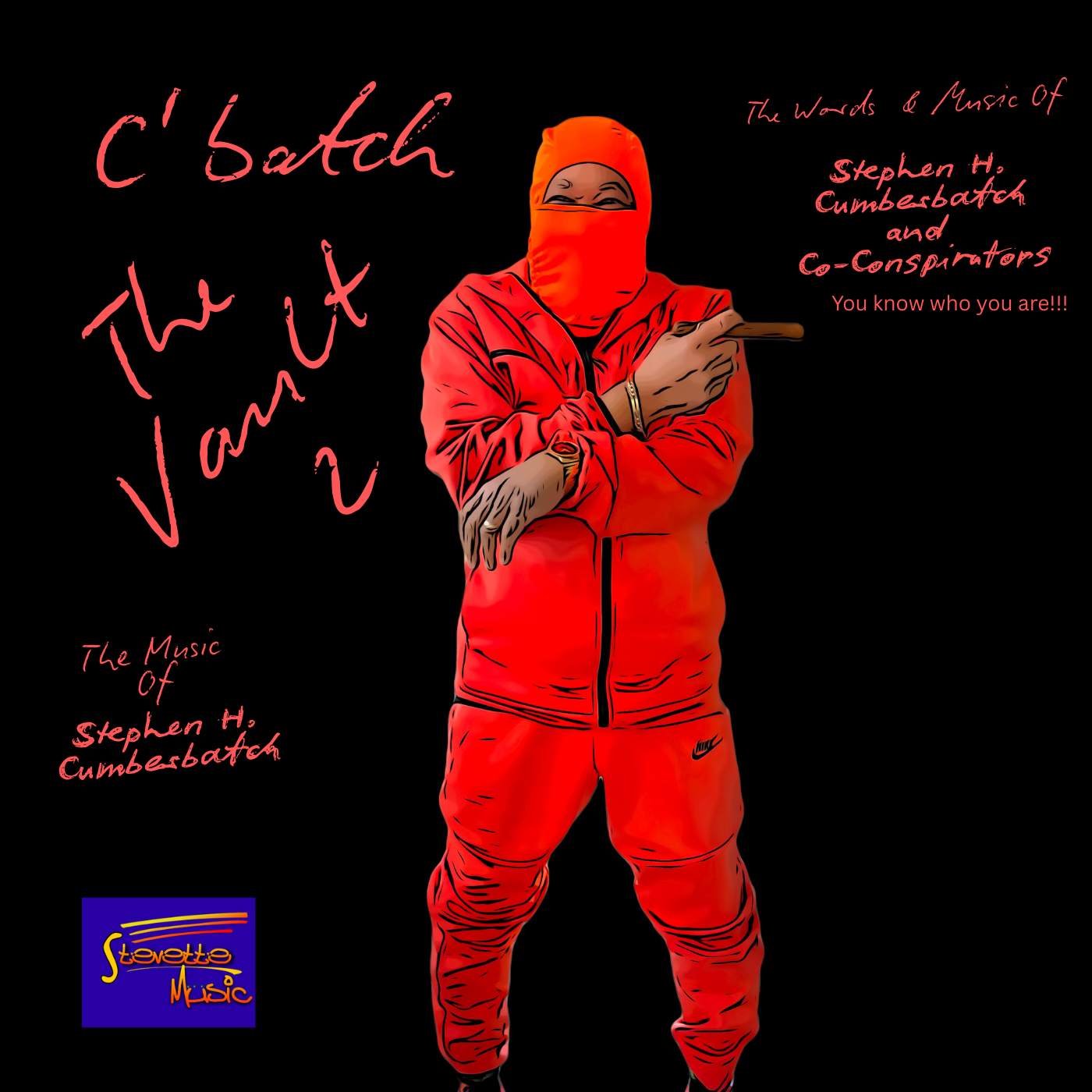
Long before The Vault series, Stephen H. Cumberbatch had already left fingerprints on influential corners of dance and club music history. His collaborative songwriting credits include “I Need You Now” by Sinnamon—widely regarded as a foundational New York club anthem whose synth work and acappella arrangements helped shape the evolution of house, garage, and rave music. The track’s continued presence in sampling culture speaks volumes about its enduring influence. Likewise, “Let Me Do You” by NV became a defining staple of the Paradise Garage era, fueled by electro-funk grooves and innovative remix work associated with the legendary Shep Pettibone. Those experiences echo subtly throughout The Vault 2. Even in its quieter moments, the album carries the instincts of someone who understands rhythm not just as structure, but as emotional architecture.
What makes The Vault 2 particularly engaging is its refusal to modernize itself at the expense of authenticity. Rather than chasing contemporary trends, C’batch leans into timeless songwriting and organic feeling. The production is polished without sounding sterile, nostalgic without becoming trapped in the past. There’s a lived-in quality to these songs—as though they’ve matured alongside their creator. Standout tracks including “Just into You,” “Are You There?,” and “Love in the P.M.” further showcase C’batch’s ability to balance intimacy with experimentation. The inclusion of alternate versions throughout the project adds another intriguing dimension, offering listeners a glimpse into the evolution of ideas and arrangements rather than presenting the songs as fixed destinations. In many ways, The Vault 2 succeeds because it feels deeply personal while remaining sonically expansive. It’s an album built from unfinished thoughts, revived emotions, and decades of musical experience—yet it never sounds weighed down by nostalgia. Instead, it feels alive, exploratory, and surprisingly current. For listeners discovering C’batch for the first time, The Vault 2 serves as both an introduction and a statement: a reminder that artistic evolution doesn’t always move in a straight line. Sometimes, the most compelling music comes from returning to the past and finally allowing it to speak fully.
Facebook, Youtube, Spotify, website,