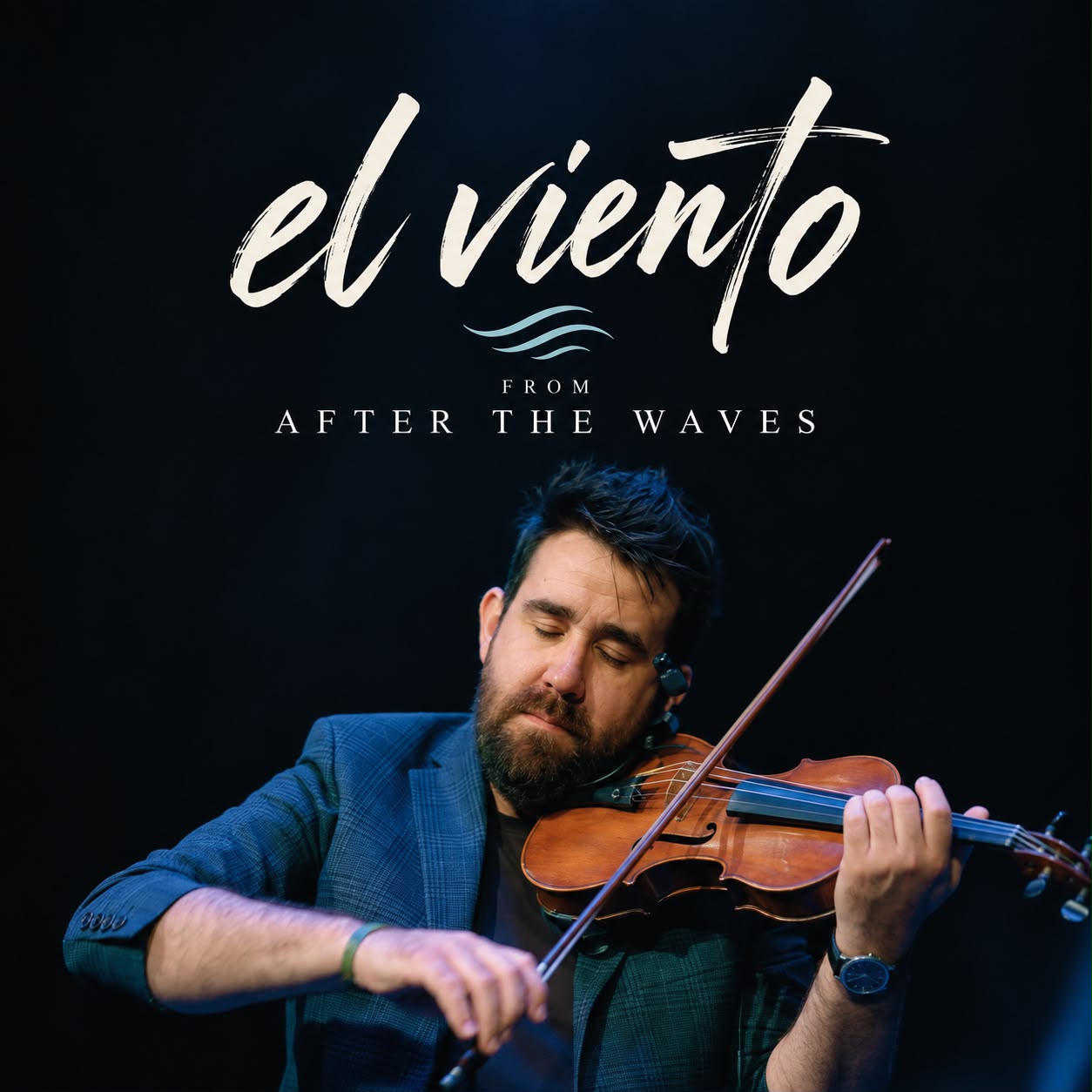
William Roblejo introduces the violin to a setting in which Cuban tradition and international contemporary music can come together, and ‘El Viento’ provides an interesting glimpse of that broader artistic sphere. Since Roblejo is about to launch his fourth album, After The Waves, the single captures the essence of a project based on cultural exchange, collaboration and movement across borders. A clear sense of identity underlies Roblejo’s work: his playing is still clearly rooted in Cuba, yet his method allows for influences and musical ideas from well beyond the country.
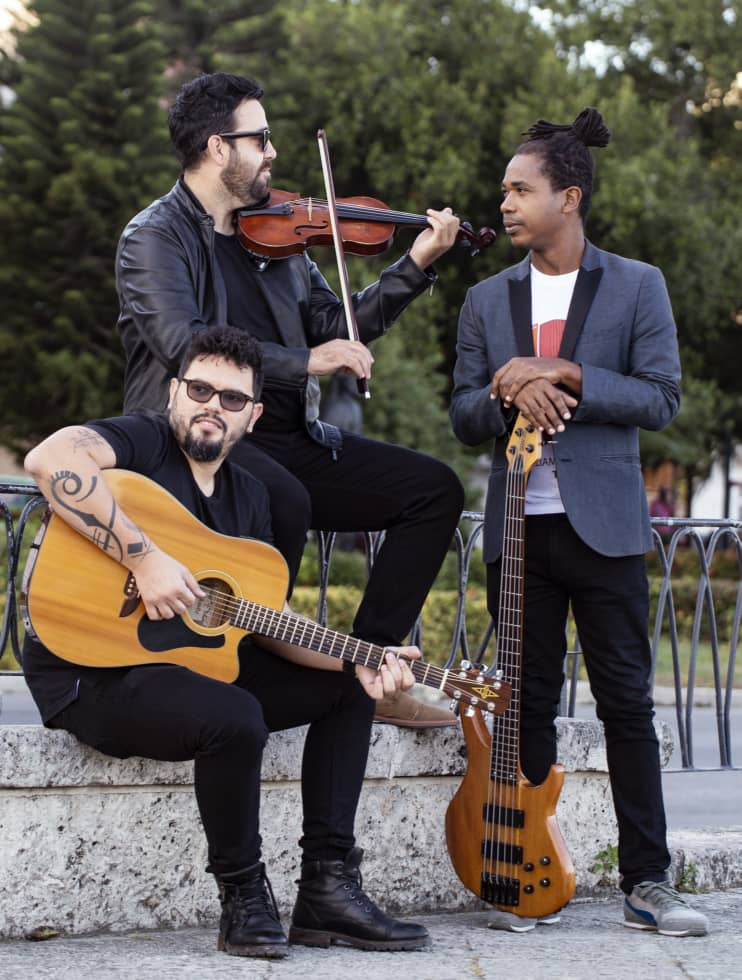
What is so impressive about this project is the path that led to the creation of After The Waves. Taking more than three years to complete, the album features musicians from Cuba, Iran and Spain, and during its production Roblejo worked with Mo Fini, Christophe Rezai, Dayron Ortiz and David Alvarez. The international aspect of the project gives “El Viento” a natural feeling of discovery, and at the same time Roblejo’s violin stays the principal voice in the music. The confidence displayed in the project is a reflection of his experience as both a performer, composer and educator, indicating an artist who knows the traditions well without letting them turn into a restriction.
The fact that “El Viento” shows what makes After The Waves such an interesting next chapter for Roblejo is that rather than separating Cuban musical tradition from contemporary experimentation, the project brings these two elements into dialogue, enabling different cultures and musical viewpoints to meet in a natural way. Since the entire album will be released on October 20, Roblejo is opening the way to a body of work developed through travel, collaboration and many years of musical exploration; his violin stays at the centre of it all — a clearly Cuban voice discovering new ways of expressing itself across the continents.
“William Roblejo carries his violin beyond national boundaries and presents a clearly Cuban viewpoint in a broader cultural dialogue.”