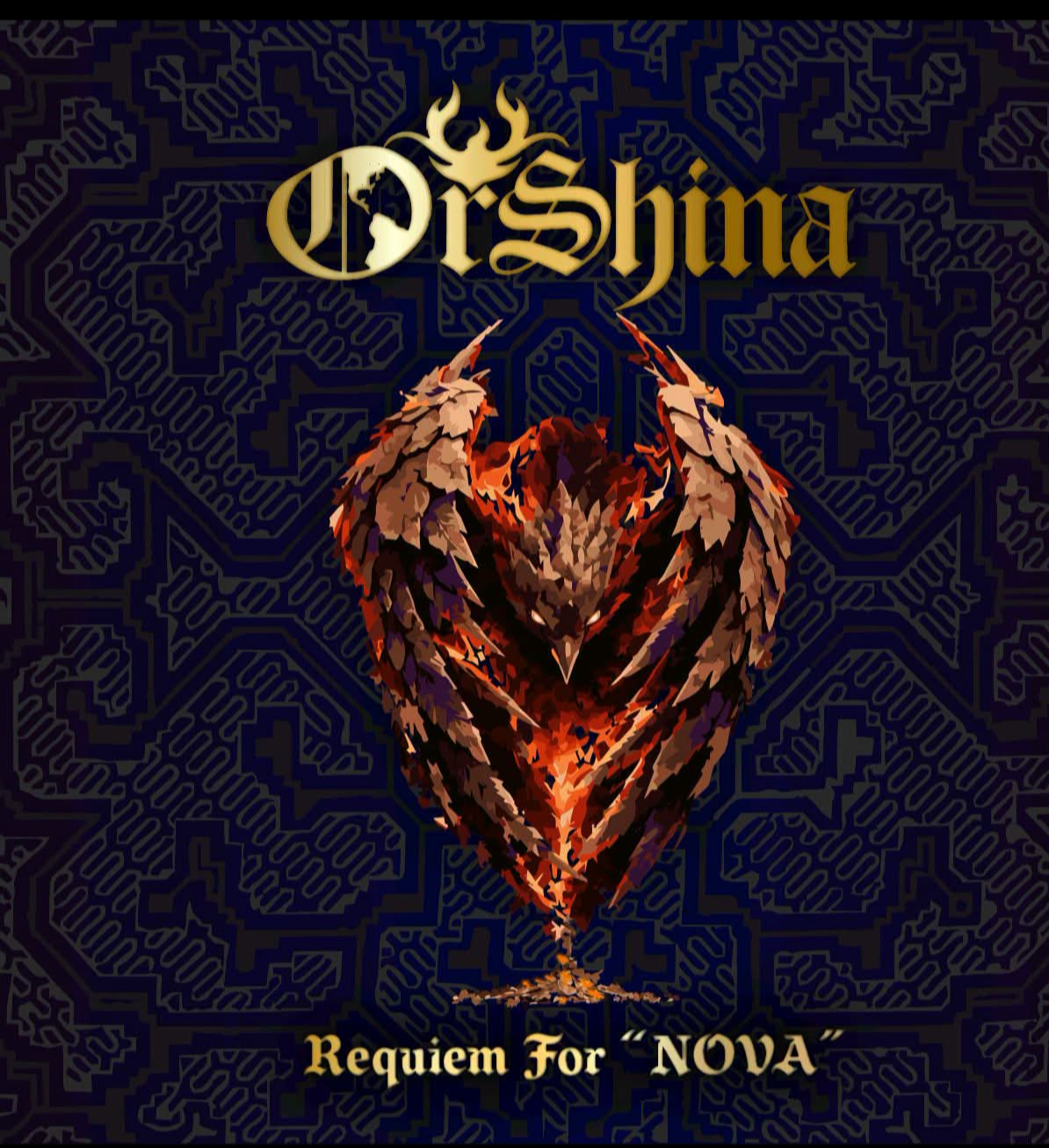
Orshina’s Requiem for NOVA is a very powerful piece of work which takes the experience of immense personal loss and turns it into a piece of music which is a statement of remembrance. The six track album opens up a world of grief, of injustice and of the search for meaning in the aftermath of such traumatic events. “Graveyard Blues” is immediately a piece of music which is about mourning and the sheer weight of absence. “Bread & Circus” is a title which suggests a world which is completely preoccupied with the trappings of show and spectacle, whilst the real suffering goes on underneath. “Hell in Paradise” is a particularly potent juxtaposition of images of beauty and suffering. The titles as a whole establish a world in which the pain is inescapable and comfort is hard to find. The album is in truth a memorial to the loss of a sister and a number of close friends. The central tenet of the piece “WE WILL NEVER FORGET” is therefore a very personal one. This is not an album about sadness per se. It is an album which is a memorial and it is a memorial which is built on the foundation of a refusal to forget.

The second half of the album continues with titles that are all about death, identity and the capacity of man to be cruel. “Rest In Music” is a bit of a paradox in that it suggests you can find peace in the very music that speaks to grief. “Dressed up for the Devil” is a title that immediately raises questions about the disparity between what we present to the world and what we’re really up to. “Holocausts and Slavery” brings the sequence to a close with a title that speaks of some of the most horrific atrocities in human history and thereby widens the scope of the album’s concerns from individual loss to the scale of collective suffering and memory. These are all interpretations drawn from the titles and the stated message of the project rather than any track by track descriptions that might have been provided. The musical direction is very much influenced by Pink Floyd, Carbon Based Lifeforms, Infected Mushroom, Shpongle and a number of other experimental electronic acts. The music is a product of a very collaborative effort with Maianne Tur (violin), Roey Brosh (drums) and vocalists Idit Eshel and Shiran Tzfira all contributing. It was recorded almost entirely in Orshina’s professional home studio with the drums and mixing done at Leon Sound Pro. “We will never forget” is not just a refrain here, it’s a statement of intent to ensure that grief, injustice and the lives that have been lost don’t simply vanish into the ether.
At the very heart of Requiem for NOVA is Orshina’s plea: “Help me heal the world”. The recording process is described as a deeply emotional one, involving tears, breakdowns and sheer exhaustion. It’s a process which is fundamentally about seeking comfort and hope in a world that can seem utterly broken. Rather than pretend that music can magically remove the pain of suffering, Orshina uses the process of making the music as a way of confronting that suffering and in the process searching for a little bit of sense and logic. The juxtaposition of the personal anguish of Graveyard Blues, the disturbing implications of Hell In Paradise and the sheer historical weight of Holocausts and Slavery gives the track listing the feel of a meditation on suffering, memory and the need for compassion. The individual song descriptions would of course tell you a lot more about the actual music and the direction of each piece, but the overall thrust of the album is very clear: remembrance has to lead somewhere beyond just sorrow. Requiem for NOVA is Orshina’s transformation of a very personal experience into a plea for collective healing, a hope that music can at least provide a little bit of comfort where words simply don’t suffice.
Facebook, Youtube, Instagram, Spotify