
“Some melodies stay with us long after the screen goes dark, and few capture the feeling of approaching danger quite like the haunting theme of Michael Myers.”
“Michael Myers Halloween Theme Song (Piano Version)” is a piano arrangement by Dutch pianist and arranger Juggernoud1. The original theme was composed by John Carpenter for the film *Halloween* and is of course one of the most iconic pieces of horror music ever written. The theme is so intrinsically linked to the character of Michael Myers that it’s practically impossible to hear it without immediately thinking of the character and the associated sense of dread. Juggernoud1’s version doesn’t attempt to do anything to the simplicity of the original piece, he simply puts the piano at the heart of it. The effect is to make the familiar melody and its very distinctive rhythmic character feel even more immediate and intimate. It’s a very appropriate tribute to a piece whose power lies in its simplicity and its ability to make you feel that something is coming. There’s something very effective about taking a piece of horror music that is so deeply embedded in the culture and reinterpreting it in a different way. The horror of the original doesn’t come from the visuals, it comes from the music itself and the sense of impending doom. The music has to create that feeling of movement and unease through the use of rhythm and melody and the spaces between the notes. That’s where the piano really excels. For a horror fan the Carpenter theme has such a strong association with the films that it’s almost a cultural touchstone. It instantly conjures up images of dark corridors, footsteps getting closer and the ever-present sense that something is going to happen. Juggernoud1’s version takes that and delivers it through his own arrangement and performance. “The most unsettling horror music doesn’t need to show you the danger, it just makes you feel that something is coming.” That’s the essence of the piece and the reason it continues to be so effective. The relentless pulse of the music creates a sense of movement and the repeating motif is all about creating a sense of unease and there’s no real resolution. In a world of all sorts of Halloween music and party songs it’s a very different proposition to have a piano version of this. It’s a darker version of the theme, one that is all about the suspense and the atmosphere. It’s a release that is very much aimed at the horror fan who will appreciate the music as an integral part of the experience rather than just background music. It’s a piece that brings a classic horror theme back to life in a new and different way.
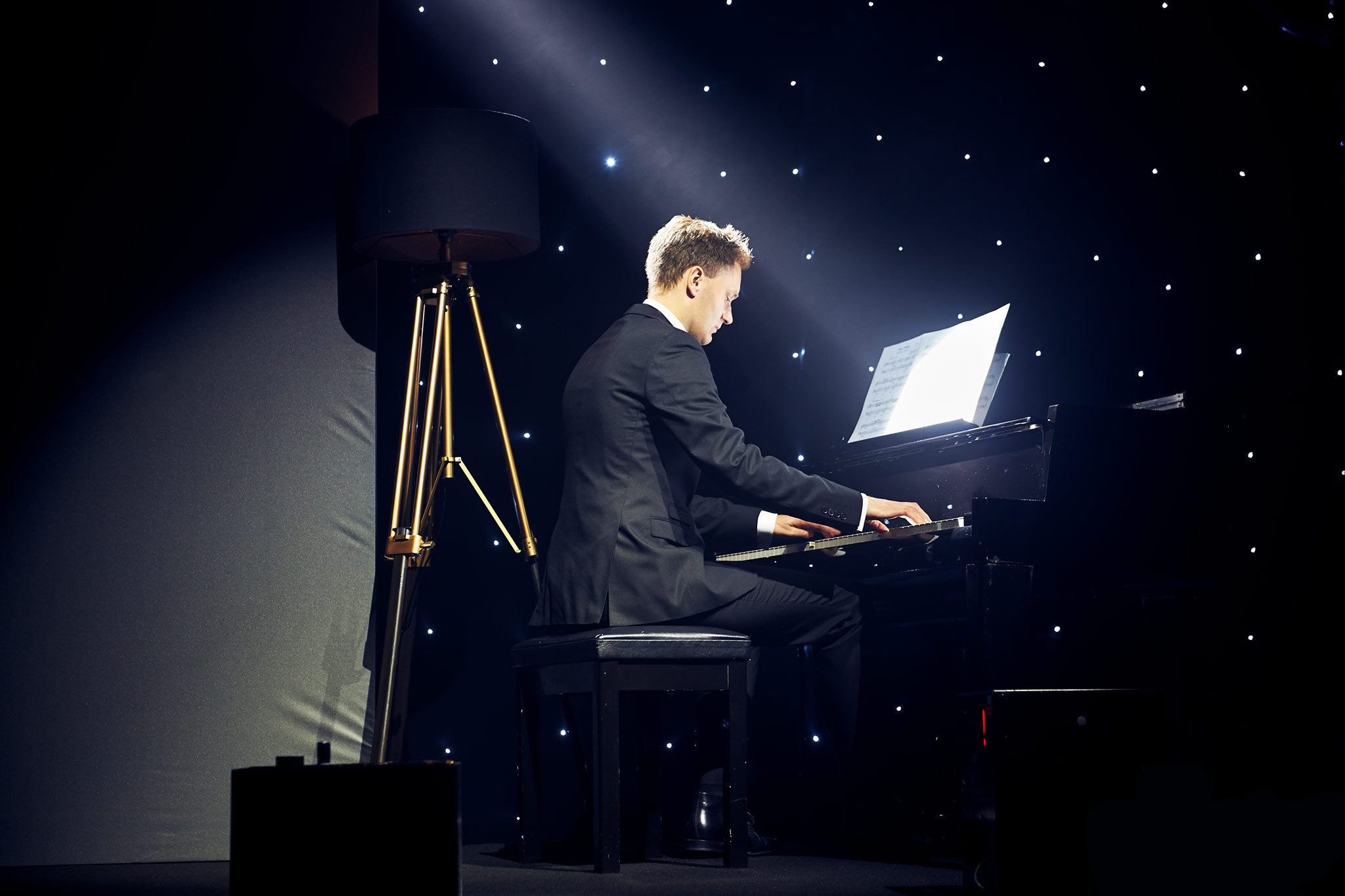
One of the most fascinating things about Juggernoud1’s take on the piece is the way the piano arrangement presents it as a musical ‘quest’. The left hand is described as sounding like the approach of Michael Myers’ footsteps, providing a constant undercurrent of movement. Against that the right hand has a very urgent motif which is very much the sound of someone trying to get away. The two hands work in opposition to each other to create a story of pursuit and escape without the need for any dialogue or any other sound effects. The piano becomes more than just a vehicle for playing the tune; it becomes a way of expressing the relentless nature of the chase. That of course brings with it the importance of the rhythm in the original theme. The repeated pattern has a very hypnotic quality and the music just seems to be moving on and on. The darkness of the piece also lends itself to the listener imagining the scene as it unfolds. In a piano arrangement the interplay between the lower and upper register is particularly important as it’s all happening on one instrument. The effect is that you can really appreciate the musical structure of the piece as well as the association with the Halloween films. Rather than the full scale of a film score, the arrangement brings the core musical ideas to the fore. It’s a piece that is very well suited to instrumental playlists, horror themed playlists and anyone who enjoys recognising the film music they know and love in a different arrangement. It’s also a piece that will appeal to the piano player who likes to hear a melody retain its character in a different musical context. That’s exactly what Juggernoud1 is doing with this piece; taking a very well known piece of film music and reworking it to highlight the musical qualities of the melody, the harmonies and the atmosphere. The familiarity of the theme provides an instant link but the piano version gives you the opportunity to really listen to the tension that makes it work. It’s a very good piece to include in a Halloween playlist as a way of bringing the feel of the classic horror films into a listening experience that doesn’t involve the screen.
Behind the release is Noud van Harskamp (Juggernoud1) who is a Dutch pianist and arranger whose work is primarily in the realm of film and video game scores. His output is all about music that has become part of the cultural fabric through the power of its melodies and its ability to create a distinct atmosphere. He has a YouTube channel and a number of releases on streaming services where he shares his piano interpretations with a global audience. The material he chooses to interpret is all over the place, from very tender and emotional pieces to more sinister and atmospheric ones. “Michael Myers Halloween Theme Song (Piano Version)” is very much in keeping with that approach and is a perfect example of the kind of material he works with. It’s a case in point of how a piece of music that was originally a part of a film can go on to become a piece of music in its own right, with a life of its own and an ability to be enjoyed by a new generation of listeners. The theme is instantly recognisable and the tension in it is inherent in the music itself. That is what gives it such staying power. Juggernoud1’s version takes that tension and that atmosphere and brings it into a very focused piano arrangement. For fans of the film it’s a reminder of the franchise’s atmosphere; for fans of film scores it’s another example of the way a piece of music can be reimagined. It’s a very evocative release for Halloween and it’s a good example of how a simple piece of music can have a lasting impact.
Facebook, Youtube, Instagram, Spotify, website