The song “Broken People, Break People” adopts a simple yet powerful concept and explores the emotional harm that lies beneath it. Drawing on the idea that “broken people break people, hurt people hurt people, and love people love people”, it looks at how unresolved pain can gradually become embedded in the way we deal with love, relationships, and ourselves. Instead of viewing heartbreak as something that happens by itself, Jinishi investigates where this kind of hurt may originate, with a particular focus on early relationships and the lack of a firm father-daughter bond. The outcome is a song centred on an uncomfortable question: how much of the pain we go through in our relationships is in fact carried into them from elsewhere?
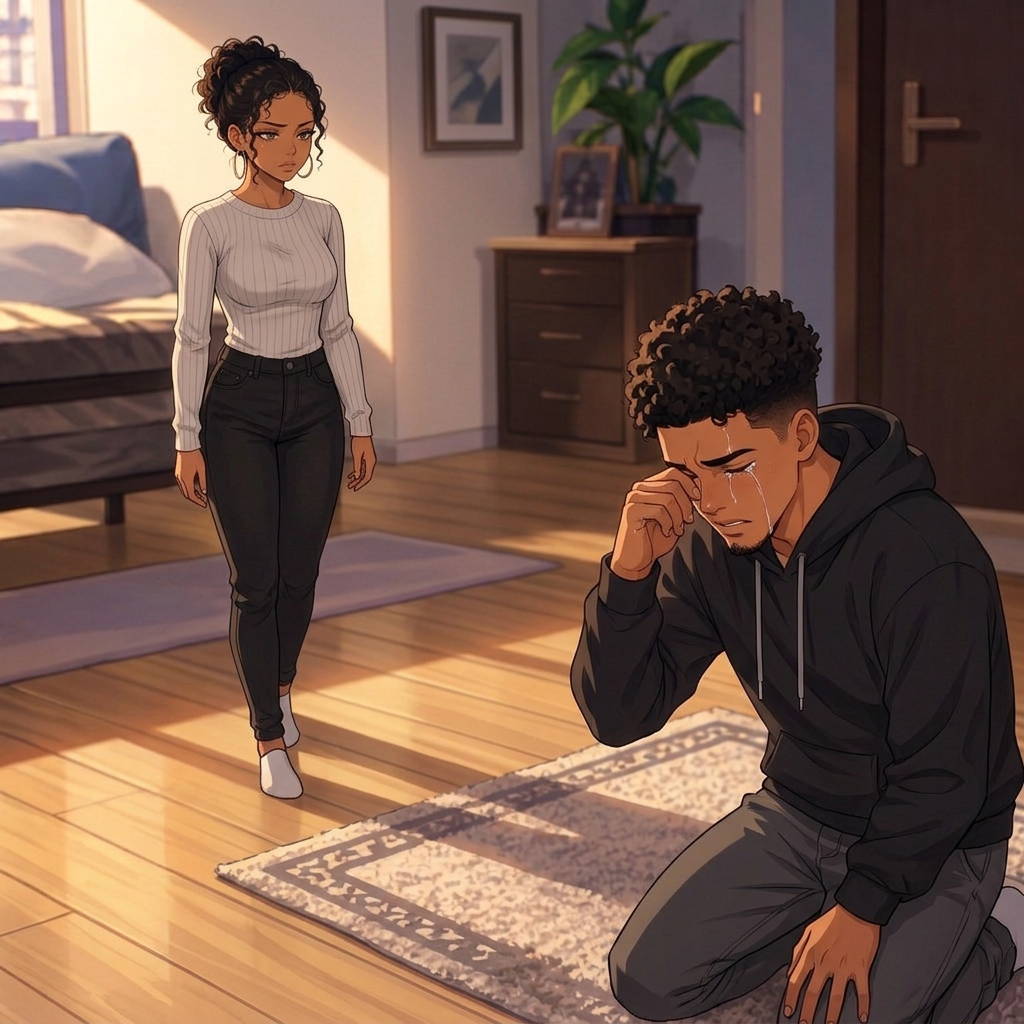
The song’s strength comes from the way its main message links personal hurt with the broader cycle of human relationships. It’s not just about experiencing hurt; it’s about the consequences that arise when that hurt is not resolved. The singer looks at how emotional wounds can affect the way people give and receive love, producing patterns that have an impact not only on the individual who is suffering but also on the people who enter their lives. The song thus has a strong emotional impact since its message can be seen from either perspective—you might be the one trying to get on with your own wounds, or you might be the person who is having difficulty loving someone who is still dealing with theirs.
At its emotional heart there is a particularly strong line: “So take my hurt and minister to someone’s hurt.” This changes the song from simply being a look at brokenness into something more meaningful. Rather than let pain stay pain, Jinishi converts it into a message which may be of some help to someone else experiencing a similar situation. The song “Broken People, Break People” achieves its strength through the contrast between damage and healing, by asking listeners to see the cycles that pain sets in motion while still leaving room for an alternative. Sometimes the most powerful thing we can do with our wounds is to turn them into words which enable someone else to feel less alone.