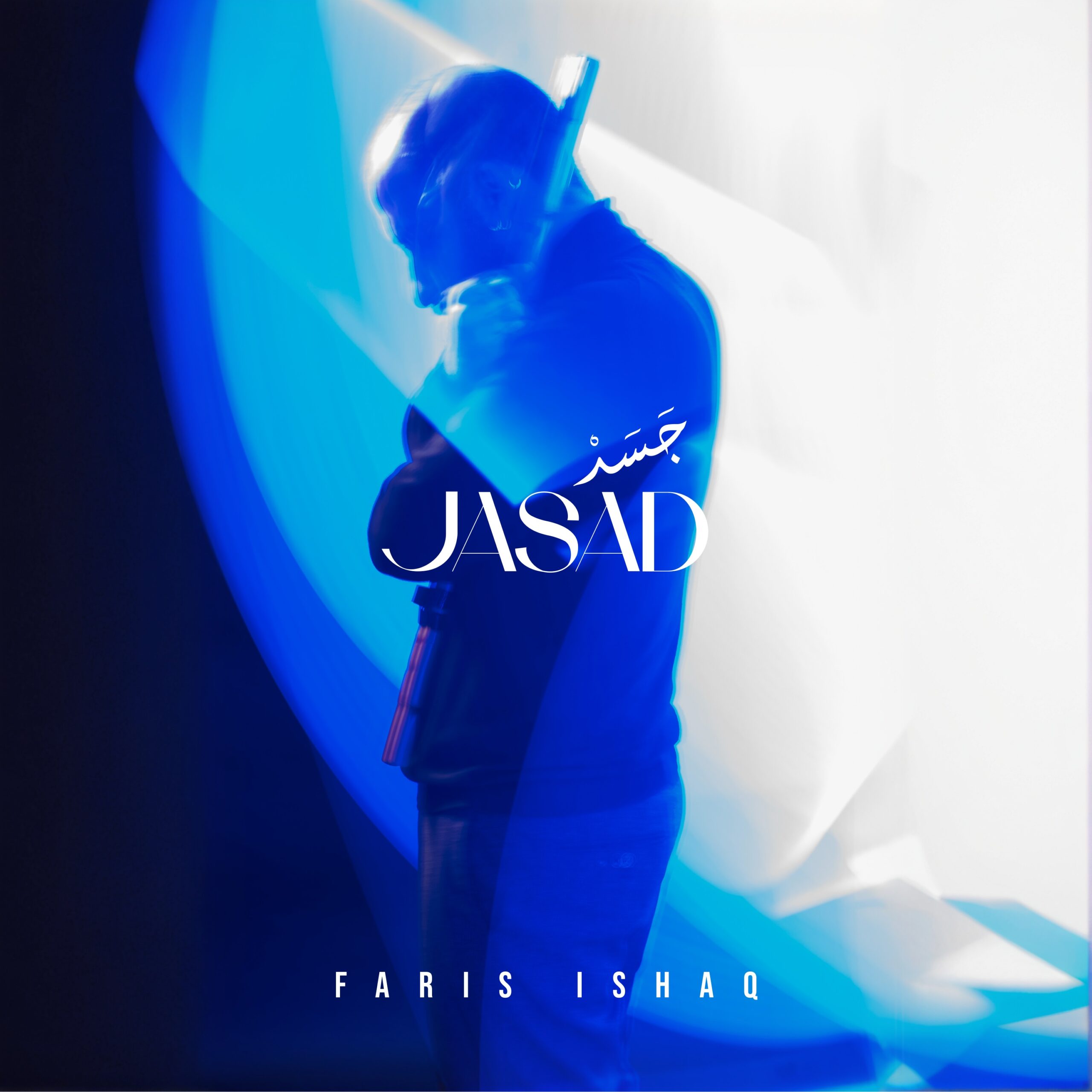
There is something immediately captivating about JASAD جَسَد, the new instrumental album from Bethlehem-born Palestinian nay virtuoso Faris Ishaq. Built almost entirely from the relationship between breath, the traditional nay, and a leg-mounted frame drum, the record creates a surprisingly expansive sound from a remarkably focused setup. Opening with “Ard,” Ishaq connects the music to Arabic traditional melodies traveling through Palestine, Jordan, and Iraq, before moving into “Incense Trail,” where his expressive playing turns a small musical spark into something constantly evolving. “Carved” and “Fragments” continue that sense of movement, with Ishaq treating the nay not simply as an instrument but almost as a voice capable of shifting between delicate, lyrical phrases and more rhythmic, percussive textures.
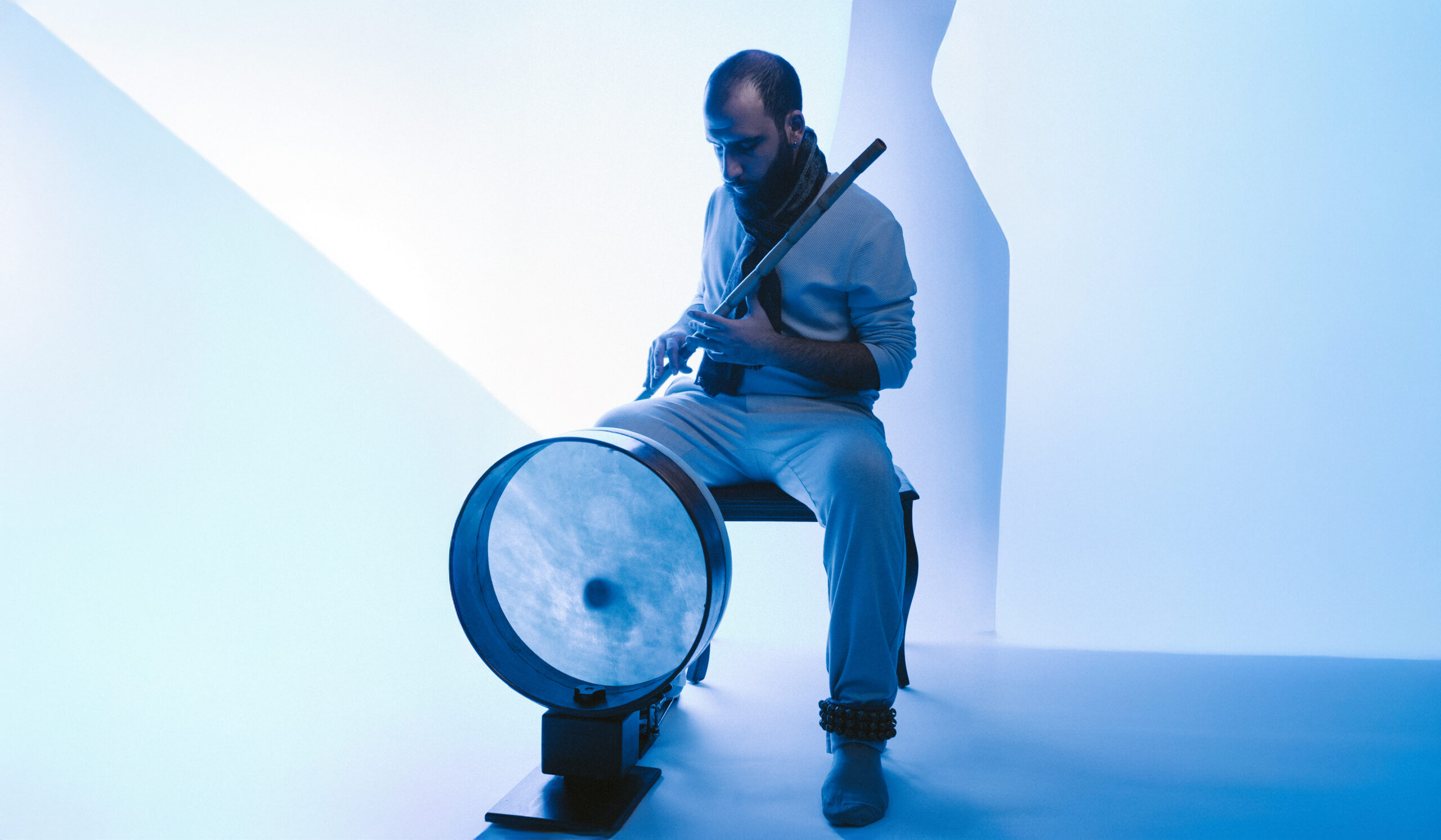
The album’s quieter moments are just as important. “My Favorite Things” brings another shade to the record, while “Sukon”—Arabic for “stillness”—acts as a natural breathing point, stripping the music back into earthy melodies and acoustic textures that feel deeply reflective. “Twilight,” the closing track, leaves the album suspended in a more atmospheric space, allowing the listener to sit with what came before rather than ending with a conventional climax. Throughout JASAD, Ishaq draws from classical Arabic and Levantine traditions, Tashbib and Maqam modalities, while bringing in the improvisational spirit of contemporary jazz. The influence of jazz is never presented as a replacement for his heritage; instead, the two musical languages seem to enter into an ongoing conversation.
What makes JASAD especially striking is how physical the music feels. Recorded live in Ishaq’s Bethlehem studio with no overdubs, the album captures the connection between breath, movement and sound in a way that polished studio production could easily obscure. Every phrase feels shaped by the musician in real time, giving the nay an almost human quality as it moves between sorrow, warmth, contemplation and rhythmic energy. Ishaq’s decision to push the instrument toward a self-sustained sonic landscape gives JASAD a distinctive identity, but the album never loses sight of where that sound comes from. It is rooted in Palestinian and Arabic musical memory while remaining open to improvisation and contemporary expression, making JASAD feel less like a reconstruction of tradition and more like tradition continuing to breathe.
Killer Quote:
“On JASAD, Faris Ishaq turns breath, reed and rhythm into a living conversation between Palestinian memory and contemporary sound.”
Facebook, Youtube, Instagram, Spotify, Bandcamp, website,